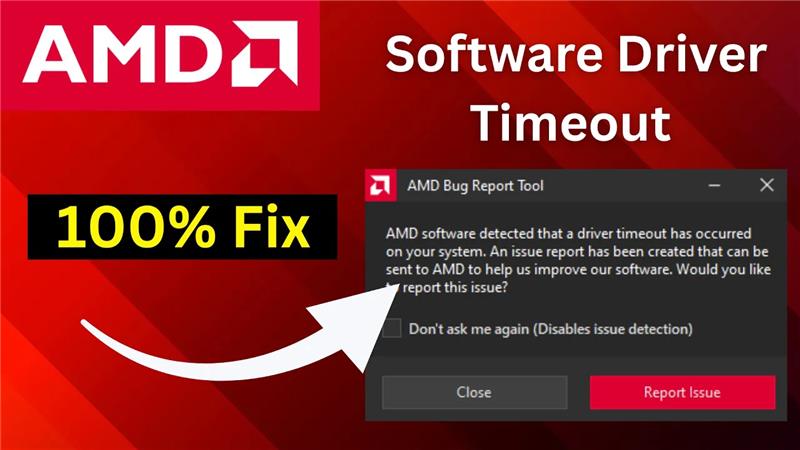
Sometimes new AMD drivers cause crashes, performance issues, or game problems, making you want to install an older stable version. AMD’s official website keeps previous driver versions available for download. In this blog, you’ll learn easy steps to safely uninstall current drivers using DDU, download older AMD drivers from the support page, and install them cleanly for better stability on your PC.
✅ Step-by-Step: How to Install an Older AMD Driver on Windows PC
1. Uninstall Current AMD Driver / Software Cleanly
Before installing an older driver, you should remove the existing driver to avoid conflicts. There are two main methods:
Method A: Using AMD’s official uninstaller
- Use the official installer’s uninstall option, or use the “Clean Install” option in the installer to remove the current version before installing an older one.
- Close all running applications (especially antivirus or monitoring tools) to avoid conflicts.
Method B: Use a driver-cleanup utility (recommended for best results)
- Use tools like Display Driver Uninstaller (DDU) or the official AMD Cleanup Utility.
- Reboot the computer after cleanup to ensure all old driver components are removed.
2. Download the Older Driver Version You Want
- Go to the official AMD support/download page.
- Use the product selector or manually choose your GPU model and OS. If the latest version causes issues, look for a link such as “Previous Drivers,” “Legacy Drivers,” or a dropdown to select older versions.
- Download the driver package (installer
.exeor.zip) to your PC — keep note of the version number and release date.
3. Install the Older Driver
- Right-click the downloaded installer → select Run as administrator.
- When prompted, choose Custom Install (not Express), if available. This often gives more control.
- If given the option, choose a Clean / Factory Reset install — this ensures old driver remnants don’t interfere.
- Proceed with the installation. Display may flicker or go black for a moment — that’s normal. After installation, reboot your PC.
4. Prevent Automatic Driver Updates Overwriting Your Installed Version (Optional but Recommended)
Windows Update sometimes reinstalls a default driver or newer version — which may reintroduce the issues you’re trying to avoid. To prevent this:
- Change device installation settings to disallow automatic driver downloads.
- Alternatively, use a registry tweak / group policy (on Pro/Enterprise editions) to block or restrict auto-driver updates.
If Windows installs driver automatically, you may need to repeat the cleanup and reinstall process.